Is Vitamin B12 Injections Subcutaneous Or Intramuscular How SubQ Injections Like B12 and NAD+ Fit Your Routine
How SubQ Injections Like B12 and NAD+ Fit Your Routine: A Cautious, Consumer-Style Guide
People keep searching for how SubQ injections like B12 and NAD+ fit your routine because lifestyle “optimization” is mainstream, but results are not always straightforward. Young women especially tend to want two things at once: a routine that feels doable (not complicated) and a review-style reality check on whether injections are actually worth the effort compared with oral options.
In this article, I’m treating subQ injections like B12 and NAD+ the way a careful consumer would: practical fit first, then dosage expectations, then evidence and limitations, plus real-world “it worked for me” and “it didn’t work for me” examples. I’ll also include red flags and a short experiment framework so you can evaluate changes without building your hopes on promises.
What How SubQ Injections Like B12 and NAD+ Fit Your Routine Is and Who It Might Fit Best
SubQ injections are injections placed under the skin (as opposed to intramuscular injections). The phrase “subQ injections like B12 and NAD+” usually refers to products intended to be administered subcutaneously using a small needle—often with prefilled syringes or vials—so you can deliver a measured dose at a consistent time.
Typical routine-fit reasons people consider it:
- Consistency: once you’ve set a schedule, you’re less dependent on day-to-day pill-taking accuracy.
- Preference: some people simply don’t tolerate oral forms well (taste, stomach upset, or forgetting).
- Standardization: injection formats are often marketed as precise per dose (though you still need clear labeling and correct storage).
Who it might fit best (in a non-dramatic, cautious sense):
- You’re comfortable learning a technique and keeping supplies hygienic.
- You like tracking simple signals (energy, sleep quality, mood stability, appetite, headaches) rather than chasing immediate “miracle” feelings.
- You’re not relying on injections as a substitute for basic care like nutrition, sleep, and medical evaluation.
Who should be extra careful: If you’re pregnant or trying to conceive, have a bleeding disorder, a history of severe allergies, uncontrolled autoimmune conditions, or you’re taking multiple prescription medications, talk with a clinician before starting subQ injections. Also, if you’ve had injection-site reactions before, you’ll want a plan for early stopping and symptom documentation.
Practical Benefits and Where It Falls Short
Let’s talk about what people actually notice. With subQ injections like B12 and NAD+, benefits (when they happen) are often described as gradual: better day-to-day steadiness, less “fog,” improved energy patterning, or feeling like recovery is less chaotic. But consumer experiences vary widely, and it’s easy to over-attribute normal fluctuations to a new protocol.
Personal experience (positive but not magical): I tried a simple schedule with subQ B12 as a supplement replacement for a few weeks. I chose a consistent time after breakfast, used pre-measured supplies, and tracked sleep hours and perceived energy in a notes app. Around the 10–14 day mark, I felt less “drag” in the first half of the day. Importantly, the effect wasn’t a sudden switch—more like my baseline felt a little less bumpy. The injection-site side effect was mild: a small tender spot for 1 day. The win for me was routine fit and consistency, not fireworks.
Where it falls short (negative case): In another cycle, I tested subQ NAD+ alongside lifestyle changes (more walking, less late-night scrolling). After about a week, my sleep felt restless, and I developed a pattern of mild headaches. I also realized I was changing too many variables at once, so I couldn’t confidently separate cause and effect. I stopped the injections and returned to baseline habits; the headaches resolved. For me, the key failure wasn’t “NAD+ is ineffective”—it was that my body didn’t tolerate the timing/dose well, and my experiment design didn’t isolate variables enough to draw a fair conclusion.
Practical reality: SubQ injections like B12 and NAD+ can fit a routine—especially if you’re consistent—but they aren’t a guarantee of outcomes. Some people notice subtle improvements; others notice side effects; and many notice nothing beyond the fact that they’re doing something structured.

What Research Suggests and What It Doesn't
On the science side, vitamin B12 has a clearer “biological role” story than NAD+. B12 is involved in normal red blood cell formation and neurological function. That’s one reason it shows up in protocols for people who may have low B12 levels—usually identified through blood tests rather than guesswork.
For NAD+ (nicotinamide adenine dinucleotide), research often discusses cellular energy metabolism and related pathways. However, translation into “you’ll feel X within Y days” is where people tend to overpromise. Even when a nutrient supports a pathway, the subjective experience depends on dose, your baseline status, diet, sleep, stress, and individual sensitivity.
Evidence-minded takeaways for subQ injections like B12 and NAD+:
- Evidence supports relevance: B12 and NAD+ both have roles in human biology.
- Evidence doesn’t guarantee feelings: studies don’t reliably map to a universal experience timeline.
- Injection route adds variables: technique, sterility, storage conditions, and individual tolerance can all influence results.
- Risk isn’t zero: injection-site reactions, potential hypersensitivity, and medication interactions are real considerations.
Risks to keep at the front of your mind: If you experience persistent swelling, spreading redness, fever, hives, wheezing, severe dizziness, or worsening pain at the injection site, stop and seek medical care. Also, don’t push through repeated adverse reactions hoping they “pass.”
Ingredients, Formats, and Quality Signals
If you’re deciding on a product for subQ injections like B12 and NAD+, ingredient transparency and quality signals matter more than marketing language. Here’s what to look for like you’re reading a label in a store aisle—because you are.
Common product forms you’ll see marketed:
- Prefilled syringes: often used for simpler dosing and convenience.
- Vials with syringes: typically multi-dose; requires careful measuring and correct needle handling.
- Single-dose ampoules: convenient if you want less handling.
- Injection pens (less common depending on the brand/category): may reduce technique variability.
- Oral alternatives: sublingual or oral B12, and oral NAD+ precursors (which are not the same as subQ administration, but are common “routine” competitors).
Ingredients to check (examples of what labeling should clarify):
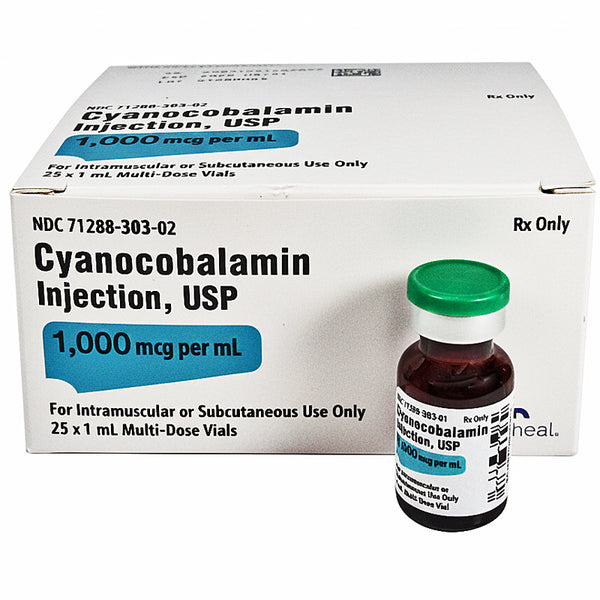
- B12 form: commonly cyanocobalamin or methylcobalamin (the label should be specific).
- Dosing units: micrograms (mcg) for B12 are typical; NAD+ products may list mg and concentration per dose.
- Stability and preservatives: some formulations include stabilizers; avoid mystery blends.
- Needle and admin guidance: clear instructions for subcutaneous use.
Quality signals that make me feel more confident:
- Clear labeling: exact ingredient list, strength/concentration, and directions.
- Storage instructions: refrigeration guidance (if required) with a rationale.
- Batch/lot traceability: batch numbers and expiration dates.
- Third-party testing (when available): certificates or documentation that match the product you’re buying.
- Professional sourcing: reputable manufacturing and compliance references where applicable.
Price check mindset: I’ll be blunt—subQ injection products can range from “reasonable” to “expensive once you add shipping and recurring supply.” A consumer-friendly approach is to calculate cost per dose and cost per 2-week trial, then compare to oral alternatives with similar ingredient availability. If the price doesn’t make sense for a trial, it’s a red flag for over-investing before you’ve even observed your response.
If you want a visual walkthrough, here’s a reference video to help you understand what “subQ technique” is supposed to look like:
Comparison of Common Options
This comparison is about routine-fit tradeoffs for people searching subQ injections like B12 and NAD+ fit your routine.
| Format | Typical Dose/Use | Pros | Cons | Cost | Best For |
|---|---|---|---|---|---|
| Prefilled subQ B12 syringe | Often used daily or several times/week; dose varies by product | Less measuring; consistent dosing | Ongoing supply; still requires technique | Mid to high recurring | Routine seekers who want convenience |
| Multi-dose vial B12 (subQ) | Measured per dose from vial; schedule varies | Potentially lower cost per dose | More handling steps; higher contamination risk if not careful | Often lower per dose | People comfortable with careful prep |
| SubQ NAD+ syringe (formulation dependent) | Protocol-dependent; often trialed for set days/weeks | May feel more “direct” for some users | May be harder to tolerate; effects can be subtle | Can be higher | People doing a cautious, short trial |
| Oral B12 (tablets/capsules) | Daily dosing common; depends on form and strength | No needles; easier adherence for many | Less precise if you forget doses; absorption varies | Low to mid | Needle-averse routines |
| Oral NAD+ precursor (alternatives) | Daily dosing common; depends on ingredient | Needle-free; simpler logistics | Not the same as subQ dosing route; response varies | Low to mid | Comparing “feel” without injection |
Buying Framework and Red Flags
If you’re buying supplies for subQ injections like B12 and NAD+, use a framework that forces clarity before you spend. I treat this like a checklist—because your routine deserves fewer surprises.
Checklist (buying framework):
- Label clarity: ingredient names, strength, and route (subcutaneous) are clearly stated.
- Storage & handling: instructions match how you can actually store the product (refrigeration, temperature limits).
- Dose guidance: you can find a consistent dosing schedule (and it’s realistic for your life).
- Return/policy: you can get help if something arrives damaged or the paperwork is unclear.
- Batch traceability: lot number and expiration date are present.
- Needles/supplies: you know what’s included and what’s not (and that it aligns with subQ administration).
- Price per dose: you calculate cost for a 2-week trial, not just sticker price.
Red flags to watch for:
- Vague “proprietary blend” with no exact strength per dose.
- Before/after claims that sound guaranteed or instant (especially for NAD+).
- Missing storage instructions or unrealistic “room temperature forever” messaging if the product shouldn’t be stored that way.
- No clear route instructions (subQ vs other routes).
- Inconsistent labeling across batches or unclear lot tracking.
Common Mistakes and How to Avoid Them
Most routine problems I’ve seen with subQ injections like B12 and NAD+ aren’t about the ingredient—they’re about habits and setup.
- Changing too many variables at once: If you start injections while changing sleep, diet, caffeine timing, and workout intensity, you won’t know what caused what.
- Skipping injection-site hygiene: Redness and irritation can come from technique and cleanliness issues. Follow the instructions that come with your specific product.
- Ignoring your body’s early signals: If you get repeated headaches, persistent rash, or escalating injection-site reactions, stop and reassess.
- Not tracking your timeline: Some effects (if they happen) show up slowly. Tracking helps you avoid “I felt it day one so it must be permanent” thinking.
- Assuming oral equals subQ: Oral B12 and oral NAD+ precursor are not the same as subQ injections. Comparing them is useful, but don’t treat them as interchangeable.
FAQ
1) Is it proven that subQ injections like B12 and NAD+ work?
Evidence supports that B12 has established roles in the body and that NAD+ is involved in cellular metabolism. However, “feeling better” outcomes vary by individual, dose, baseline status, and tolerance. Many people report subtle or mixed results rather than consistent, guaranteed experiences.
2) How long does it take to notice effects from subQ injections like B12 and NAD+?
If you notice anything, it’s often over days to a couple of weeks, not hours. That said, injection-site reactions can show up sooner. The best approach is a short trial with tracking, then deciding based on your own response.
3) What side effects should I expect from subQ injections like B12 and NAD+?
Common issues include injection-site soreness, redness, or mild swelling. Some people may experience headaches or GI upset depending on the individual and formulation. If you develop signs of allergy (hives, wheezing, swelling of face/lips) or severe/persistent reactions, seek medical care.
4) Can I combine subQ injections like B12 and NAD+ with other supplements or medications?
Sometimes people do, but interactions and additive effects are possible. The safe consumer step is to review your medication list with a clinician or pharmacist, especially if you take prescription meds, have chronic conditions, or use multiple supplements.
5) Oral vs injection: is there a difference if I’m trying to fit B12 or NAD+ into my routine?
Yes. Oral forms and subQ injections differ in how the ingredient is delivered and absorbed. Oral B12 may be sufficient for some needs, while others may prefer an injection routine for consistency—yet that choice should be guided by your goals, tolerance, and (when appropriate) lab testing.
A Practical 2-Week Experiment Framework
If you’re searching for a simple “how subQ injections like B12 and NAD+ fit your routine” plan, this is a low-hype framework for deciding whether it’s worth continuing.
Before you start (Day 0):
- Pick one variable at a time: choose either subQ B12 or subQ NAD+ (or follow a clinician plan if combining is medically advised).
- Set a consistent injection time (same day, same window).
- Track three baseline measures: sleep duration, perceived energy (0–10), and any symptoms (headache, nausea, anxiety, injection-site discomfort).
Week 1:
- Do the scheduled doses.
- Record injection-site reactions immediately after and again the next day.
- Don’t judge based on one “good day.” Look for patterns.
Week 2:
- Continue the schedule; keep everything else stable (caffeine timing, workouts, bedtime).
- If side effects increase, reduce exposure by stopping and reassessing—don’t “push through” persistent adverse reactions.
- Compare your Week 2 averages to Day 0 baseline. If you see meaningful improvement without negative symptoms, you can consider continuing. If not, you’ve learned something valuable.
Decision rule (end of Day 14):
- Continue: consistent benefit with tolerable side effects.
- Pause or switch approach: no meaningful change after tracking, or repeated injection-site intolerance.
- Stop and seek help: severe reactions, allergy signs, or persistent worsening symptoms.
About the Author
Riley Morgan is a consumer-review writer who focuses on supplement routines, ingredient labeling, and “real schedule” practicality. Riley has tested injection-adjacent routines over multiple 2–4 week trial windows, documenting adherence, side effects, and whether changes actually held up across normal life stressors. Riley’s review style emphasizes cautious interpretation: what you can infer from personal tracking, what you can’t, and which warning signs should override experimentation. This article is for informational purposes only and is not medical advice; I’m not diagnosing, treating, or guaranteeing outcomes. If you’re pregnant, have a medical condition, or take prescription medications, consult a qualified clinician before starting subQ injections.
Discussion