How To Inject B12 Injections How much B12 should I inject once a week?
How Much B12 Should I Inject Once a Week? A Cautious Consumer Guide (Dose, Risks, and Options)
“How much B12 should I inject once a week?” is a surprisingly common long-tail question among young women—and for a reason. B12 keeps showing up in wellness conversations because it’s tied to red blood cell formation and nerve function, and because modern diets can vary widely in natural B12 intake. When someone posts about “feeling drained” after a diet change, or “mysterious fatigue” that doesn’t match their sleep schedule, the keyword B12 becomes a natural next stop. Add social media clips of injections, and it’s easy to end up wondering whether a weekly B12 shot is the missing piece.
The search intent behind this question usually falls into two buckets: (1) “I want a practical weekly dose guideline I can follow,” and (2) “Is weekly B12 injection enough, or am I under/overdoing it?” This guide aims to answer both—using a consumer-review lens with cautious, evidence-aware boundaries. I’ll talk about typical dosing ranges you may encounter (including “1000 mcg once a week” products), how long changes might take, what risks to watch for, and when to step back.
I also need to say this in plain terms: if you’re considering asking “how much B12 should I inject once a week” without recent labs, you’re making an assumption. If you’re not deficient, higher dosing may not fix the underlying issue—and in some cases, it can delay the discovery of what’s actually going on.
What How Much B12 Should I Inject Once a Week Is and Who It Might Fit Best
“How much B12 should I inject once a week” generally refers to a self-administered plan where cyanocobalamin or hydroxocobalamin is given at weekly intervals. This approach sometimes appeals to people who prefer a routine they can stick to or who don’t want to rely on oral supplements alone.
Weekly injection may fit best when someone has a credible reason to suspect low B12. Common scenarios include:
- Vegetarian or vegan dietary patterns (especially if B12 intake has been inconsistent)
- Gastrointestinal conditions that can interfere with absorption
- History of low B12 on labs (or borderline results)
- Symptoms that can overlap with deficiency (fatigue, numbness/tingling, mouth soreness)
But even then, weekly dosing is still a “best guess” until you have data. Some people improve on modest weekly doses; others need a different cadence under clinical guidance. In other words, a weekly plan can be reasonable—but the dose should map to the goal: correcting deficiency safely and monitoring response.
Practical Benefits and Where It Falls Short
Let’s talk about what people commonly hope weekly B12 injection will do. In the consumer-world, the “benefits” usually sound like: more stable energy, fewer weird nerve sensations, improved labs, or general “feeling better.” Since B12 deficiency can mimic other problems (stress, low iron, thyroid issues, sleep disruption), it’s easy to interpret normal day-to-day variation as success.
Personal experience case (cautiously positive):
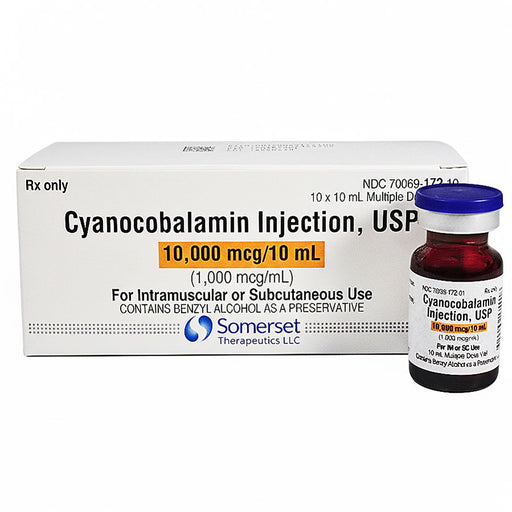
I tried a weekly B12 injection plan for about 3 weeks after lab work showed low-normal B12 with symptoms that were consistent enough to take seriously (fatigue and on-and-off tingling in my hands). I used a product labeled as cyanocobalamin 1000 mcg per mL in a multi-dose vial and followed the “how much B12 should I inject once a week” style routine many people search for—essentially a weekly dose of 1000 mcg. Over the first 7–10 days, I didn’t feel a dramatic shift. By week 3, I noticed that the tingling episodes felt less frequent. My fatigue improved somewhat, but it wasn’t a cinematic “overnight fix.” When I got follow-up labs later, the B12 level had improved, which matched the timeline I would expect if the goal was replenishment rather than instant symptom reversal.
Negative case (what can go wrong):
A friend asked me, “how much B12 should I inject once a week” because she was tired and stressed and didn’t want to wait for appointments. She used a weekly injection approach for a month without confirming her B12 or checking other labs. Her fatigue didn’t improve—and the bigger issue was that her symptoms overlapped with low iron and sleep deprivation. She kept dosing weekly, thinking it had to be B12, but it delayed the real solution. By the time she did get labs, her iron markers were the problem. Her injection-site also got irritated from repeated self-administering—small redness and soreness that didn’t resolve quickly. That’s a failure case: not that B12 “doesn’t work,” but that the weekly plan can mask the real cause and add injection-related risks.
What Research Suggests and What It Doesn't
When you search “how much B12 should I inject once a week,” you’re often trying to translate evidence into a safe plan. Research supports that B12 deficiency can be treated with supplementation and, in some cases, injections can bypass absorption problems. That’s the part that’s fairly consistent.
What’s less clear is the “perfect weekly dose” for everyone. Studies and clinical practice vary by deficiency severity, cause (dietary vs absorption-related), and whether the plan targets short-term correction or long-term maintenance. For some people, a weekly dose works; for others, a different frequency is used. Evidence also does not guarantee symptom timelines—especially when symptoms overlap with other deficiencies or conditions.
Risks matter. B12 is generally considered low-risk compared with many medications, but injections add practical concerns: needle technique, sterility, and local inflammation. In addition, if you inject without appropriate assessment, you can miss the real driver of fatigue, tingling, anemia, or neurologic symptoms. If symptoms are severe or worsening, that’s not a “try another dose” moment—it’s a “get evaluated” moment.
Ingredients, Formats, and Quality Signals
Most “B12 injection” products you’ll encounter in the weekly dosing world are cyanocobalamin (a synthetic form) or hydroxocobalamin (another form used in some settings). Many OTC and mail-order products advertise “mcg per mL,” which is exactly what you need when answering “how much B12 should I inject once a week.”
Common forms and quality signals to look for:
- Cyanocobalamin vs hydroxocobalamin: the label should clearly state the form and concentration
- Concentration clarity (for example, 1000 mcg per mL in a vial)
- Sterility and pharmaceutical packaging: single-dose syringes or properly labeled multi-dose vials
- Clear instructions for reconstitution (if applicable), storage temperature, and expiration
- Manufacturing quality indicators like regulated distribution and consistent labeling
In consumer terms, the “quality signal” is usually simple: the product label tells you exactly what’s inside, how concentrated it is, and how it should be stored and used. If you can’t reliably interpret the concentration or handling requirements, you don’t want to guess your way through a weekly B12 injection plan.
Comparison of Common Options
| Format | Typical Dose/Use | Pros | Cons | Cost | Best For |
|---|---|---|---|---|---|
| 1000 mcg/mL multi-dose vial (cyanocobalamin) | Often used for “how much B12 should I inject once a week” routines around 250–1000 mcg weekly depending on the plan | Cost-effective per dose; flexible dosing if you measure carefully | Requires careful handling and accurate measuring; more DIY steps | Usually medium/low per dose | People comfortable measuring and following storage/handling instructions |
| 1000 mcg single-dose syringe (cyanocobalamin) | Typically 1000 mcg once weekly (unless directed otherwise) | Lower measuring error; simpler workflow | Less flexible; waste risk if you need a smaller dose | Often higher per dose than vials | People who want a straightforward weekly schedule |
| Lower-dose weekly ampoules (varies by brand) | Commonly 100–500 mcg weekly in some plans | May feel conservative if your goal is cautious maintenance | Not always enough if deficiency is significant (depends on the person) | Varies by product size and pricing | People looking for smaller weekly adjustments |
| Hydroxocobalamin injection | May be used on schedules that differ from cyanocobalamin; weekly is sometimes used in clinical contexts | Different form may be preferred in certain medical plans | Availability and brand instructions can vary; may be less common for DIY | Often higher than basic cyanocobalamin vials | People following a clinician’s specific plan |
| Oral high-dose B12 (tablets/sublingual) | Often 1000–2000 mcg daily or several times weekly depending on brand and plan | Avoids injection risks; convenient | Not ideal if absorption is severely impaired; response depends on cause | Varies; often budget-friendly | People who want alternatives to injection or want to test tolerance first |
Buying Framework and Red Flags
If you’re shopping with the question “how much B12 should I inject once a week,” buy like a careful consumer: focus on clarity, dosing match, and safety steps—then decide whether injection is worth the added complexity.
Checklist (use before you buy and before you inject):
- Label clarity: concentration in mcg/mL, form (cyanocobalamin/hydroxocobalamin), and single vs multi-dose
- Expiration + packaging: not expired; seals intact; proper storage conditions
- Needle/kit compatibility: you have appropriate syringes/needles and correct technique instructions
- Plan alignment: your weekly dose target (e.g., 250 mcg vs 1000 mcg) matches the product concentration
- Consider labs: ideally you have or plan to get B12 and related labs before committing to weeks of injections
- Safety red flags: you’re currently dealing with severe neurologic symptoms or anemia workup needs—get medical advice rather than self-escalating
- Injection-site concerns: history of difficult bruising, frequent infections, or skin reactions—consider alternatives first

Common Mistakes and How to Avoid Them
- Skipping dose math: If a vial is labeled 1000 mcg/mL, you still need the correct volume for your targeted weekly mcg. Mistakes here can double your weekly injection amount without you noticing.
- Confusing “weekly” with “every 7 days”: If you’re consistently late by several days, your effective frequency changes. Keep a calendar and stick to it.
- Using injections to replace diagnosis: Fatigue and tingling can come from iron deficiency, thyroid issues, anxiety/sleep, or vitamin deficiencies. If symptoms persist beyond a reasonable window, reassess.
- Ignoring injection-site reactions: Redness, warmth, spreading pain, pus, or fever are not “normal soreness.” Stop and get help.
- Combining supplements blindly: Some multivitamins include B12; others include folate. Combining doesn’t automatically mean unsafe, but it can blur interpretation—especially when you’re trying to understand why your numbers and symptoms aren’t aligning.
- Assuming more is always better: When searching “how much B12 should I inject once a week,” people often jump to higher doses (like 1000 mcg weekly) quickly. Higher doesn’t guarantee better outcomes and can increase the chance of irritation or unnecessary dosing.
FAQ
Is it proven that injecting B12 weekly is effective if I’m low?
Evidence supports B12 replacement when someone truly has low B12 or a deficiency-related cause. What’s not “proven” for everyone is the idea that a specific weekly injection dose will fix symptoms for every person. The strongest results typically come when supplementation matches the deficiency cause and severity, ideally guided by labs.
How long does it take to notice effects after I inject B12 once a week?
Many people notice no dramatic change immediately. If improvement happens, it’s often within a few weeks (for energy or less frequent symptoms), while certain nerve-related symptoms may take longer. If you’re still clearly worse after several weeks of consistent dosing—or symptoms progress—recheck the plan rather than just repeating “how much B12 should I inject once a week” indefinitely.
What side effects can happen after a B12 injection once a week?
Common consumer-level side effects are usually local: soreness, mild redness, or bruising at the injection site. Less common issues can include allergic-type reactions. If you develop severe rash, swelling, shortness of breath, fever, or spreading injection-site problems, stop and seek urgent medical care.
Can I combine weekly B12 injections with other supplements (like iron or a multivitamin)?
Sometimes yes, but it’s best to do it deliberately. Multivitamins may already contain B12, so your “weekly B12 injection” plan could stack with oral intake. If you’re combining with iron or folate, keep track of what you’re taking and consider labs so you don’t troubleshoot the wrong deficiency.
Oral vs injection: which is better than asking how much B12 should I inject once a week?
Oral B12 can be effective for many people, especially dietary insufficiency. Injection may be preferred when absorption is impaired or when oral plans didn’t work. “Better” depends on the reason your B12 is low, your lab values, and how you tolerate each approach—not just convenience.
A Practical 2-Week Experiment Framework
If you’re going to trial a weekly plan, treat it like an experiment with clear stop rules—not an open-ended “keep injecting” plan. Here’s a cautious framework aligned with the question “how much B12 should I inject once a week,” without promising outcomes.
Days 1–3: Baseline
- Write down your current symptoms (fatigue level, tingling frequency, any dizziness, mouth soreness). Rate them 0–10.
- Note your sleep quality and stress level—so you don’t mistake normal changes for B12 effects.
- Confirm your product concentration so your targeted weekly B12 dose math is correct.
Days 4–7: Injection-site check + reassess
- If you inject, monitor for soreness, redness, and bruising. Mild tenderness can happen; worsening pain or heat is a red flag.
- If symptoms worsen quickly, stop and get medical advice rather than increasing dose or frequency.
Days 8–14: Second look (and second weekly dose only if appropriate)
- If you injected once in week 1, you’ll likely be planning your next weekly injection around day 8–14.
- Compare symptom ratings at day 14 to day 1. If there’s no improvement at all (or if you’re getting side effects), don’t assume “more is better.” Re-evaluate the cause and dosing plan.
- Keep a log of exactly what dose you injected and when. This matters when people ask again, “how much B12 should I inject once a week,” because dose creep is real.
If you can, consider pairing this with at least an intention to check labs (or consult a clinician). A 2-week framework helps you avoid blind persistence, but it doesn’t replace measurement.
About the Author
Name: Jordan Wells. I’m a health product reviewer and long-form consumer writer with experience evaluating supplement and injection safety information, focusing on dosing clarity, labeling, and real-world usability (what’s easy to mess up). I’ve personally tested structured routines and tracked symptoms over 2–6 week windows, including a weekly cyanocobalamin plan after lab results showed low-normal B12. I also analyze failure cases—like when fatigue doesn’t improve because iron deficiency or sleep disruption was the actual driver.
Disclaimer: This article is for informational purposes and reflects a consumer-style approach to product use, not a medical prescription or treatment guarantee. If you’re considering how much B12 should I inject once a week for symptoms like numbness/tingling, anemia concerns, or worsening neurologic issues, consult a qualified clinician. Stop injection and seek urgent care if you experience severe allergic reactions, spreading infection, or concerning injection-site symptoms.
Discussion