Mic B12 Injections Side Effects What Are MIC Lipotropic Injections?
What Are MIC Lipotropic Injections? A Cautious Consumer Guide for Young Women
MIC lipotropic injections have been showing up more often in beauty and wellness searches, especially among young women who want a “step” that feels more structured than random supplements. The keyword is trending because it sits at the intersection of body goals, needle-based convenience, and the idea of “fat support” without the effort of tracking meals for weeks. That makes sense as a search intent: people aren’t just asking what the ingredients are—they want to know whether MIC lipotropic injections are worth trying, what they actually contain, how long it might take to notice anything, and what can go wrong.
This is an informational, consumer-review style guide. I’ll share a realistic view of benefits and limitations, include both a positive-enough experience case and a negative case, and help you evaluate products without overpromising results.
Introduction: Why “What Are MIC Lipotropic Injections?” Keeps Getting Searched
Young women often look for body-composition support when they feel “stuck” even though they’re doing the basics—walking, drinking water, and eating in a calorie-aware way. Lipotropic blends are marketed as metabolic helpers, and MIC lipotropic injections are positioned as the injectable version. The reason the question “What Are MIC lipotropic injections?” keeps popping up is that people are trying to translate marketing language into something practical: What is in it? How is it dosed? Is it proven or just vibes? Is it safe for me?
Just as importantly, people want a time expectation. Many clinics talk about “a series” and “results,” but different providers use different timelines—some claim faster changes, others emphasize longer lifestyle consistency. That’s why this guide focuses on what you can reasonably track, what’s uncertain, and how to decide if MIC lipotropic injections are a fit rather than a gamble.
What Are MIC Lipotropic Injections? And Who It Might Fit Best
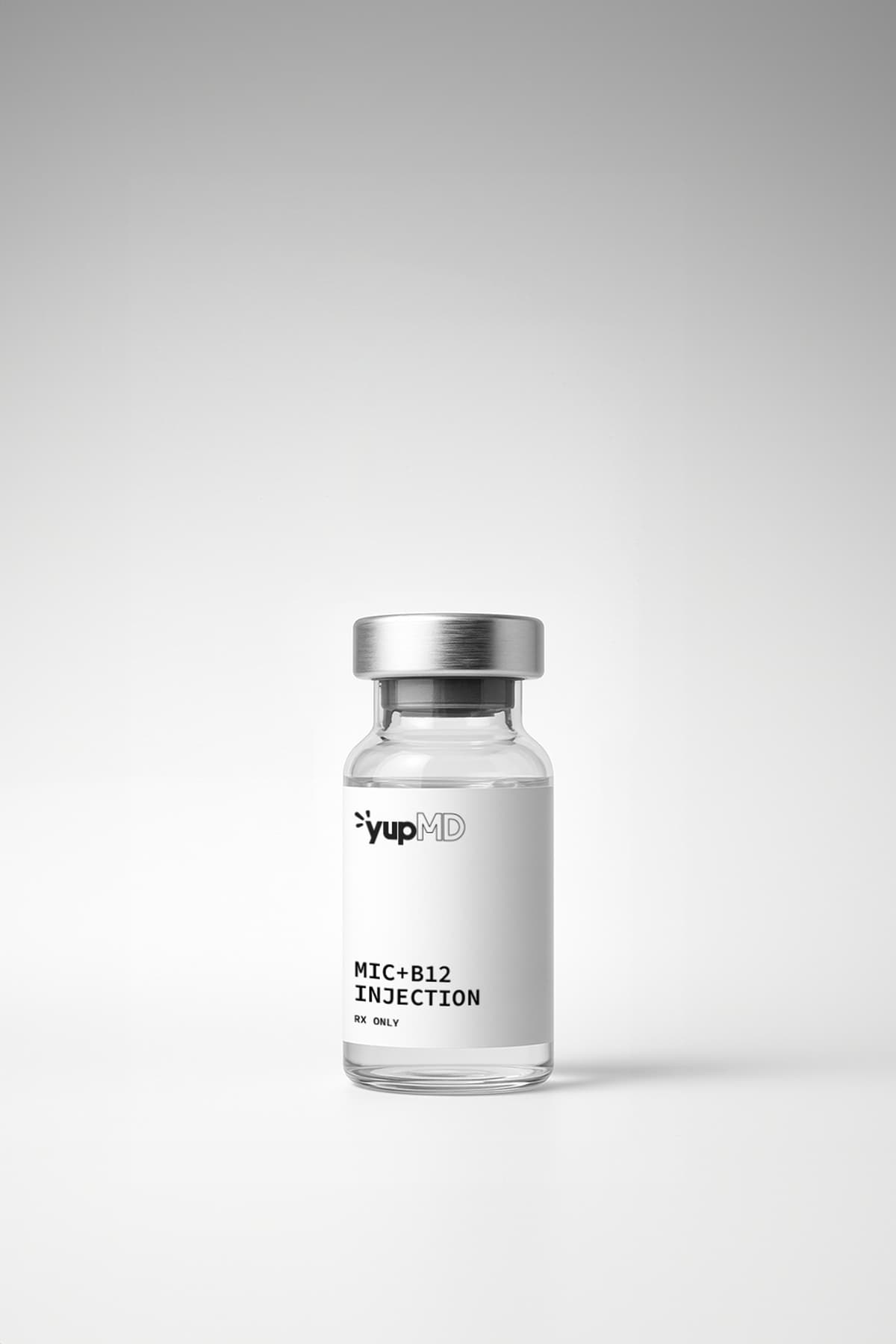
MIC lipotropic injections usually refer to an injectable “lipotropic” nutrient blend sold by specific clinics or brands, often marketed for supporting fat metabolism and energy usage. The issue is that MIC isn’t a single universally standardized medication name the way a prescription drug is. Instead, MIC is frequently used as shorthand for a clinic’s proprietary or branded formula. That means ingredient lists and dosing can differ.
In practice, people often encounter blends that may include nutrients such as methionine, inotisol (in some products), choline, vitamin B12, and other “lipotropic” or metabolic-support components. Some versions may be flavored by marketing or by additional compounds to target energy, appetite, or “detox” narratives. Because formulations vary, the safest approach is to treat each MIC product as its own profile: confirm what’s actually in your syringe and how it’s prepared.
Who it might fit best (in a cautious, consumer sense) tends to be people who:
- Want structured support while staying committed to diet and movement (in other words, you’re not relying on injections alone).
- Have tried basic nutrition changes and want an optional add-on.
- Prefer an injection format over oral supplements (or have trouble taking pills consistently).
- Can tolerate injections and accept that results may be subtle or non-linear.
Who may need extra caution or to skip MIC lipotropic injections: pregnant or breastfeeding individuals, people with certain medical conditions, those with a history of adverse reactions to injected vitamins or specific ingredients, or anyone taking medications that require clinician review. If your provider doesn’t ask about your health history or won’t explain ingredients clearly, that’s a major warning sign.
Practical Benefits and Where It Falls Short
Let’s talk about the “consumer review” part: what you might notice, and what you probably won’t notice (or may not get at all) even with consistent dosing.
Potential practical benefits: Some people report feeling more “supported” during a routine—like improved energy, fewer cravings, or better adherence to healthy habits. Others notice mild changes in how they feel in their workouts. However, it’s hard to separate the effects of the injections from the psychology of starting something new, the “series” structure, and simultaneously adjusting diet.
Where MIC lipotropic injections can fall short: If you’re expecting dramatic fat loss quickly, this is where disappointment happens. Even when lipotropic nutrients play roles in fat metabolism at a biochemical level, that doesn’t automatically translate into a visible change in body composition—especially from an injectable blend with variable formulations, variable doses, and different baseline metabolisms.
Personal experience case (positive but realistic): A friend of mine (early 20s, young professional) tried a clinic-branded MIC lipotropic injection series. She did about 8 sessions over roughly 4 weeks, with dosing described as “per session” (she received an injection at a wellness clinic, not from a home kit). She told me she felt slightly less sluggish during her morning walks and had an easier time sticking to a moderate calorie deficit. But the “results” weren’t dramatic—her scale trend improved slowly, and she emphasized that her consistent protein intake and steps were the bigger drivers. She didn’t experience anything extreme, just occasional injection-site tenderness.
Negative case (failure + warning signs): Another acquaintance (late teens/early 20s) bought a MIC product from a less transparent online source. The label was unclear, the clinic didn’t provide full ingredient documentation, and the dosing instructions were vague (“use as directed”). After about 3 injections over two weeks, she experienced frequent headaches and stomach upset. She stopped after noticing a pattern—symptoms worsened following injections. Importantly, she also didn’t see any measurable changes, even though she was exercising. The combination of side effects and lack of clarity made the whole attempt feel like a waste of time and money.
Consumer takeaway: MIC lipotropic injections may help some people feel more supported, but they’re not a shortcut. If someone sells them as a guaranteed fat-loss tool or refuses to disclose ingredients, that’s when you should walk away.

What Research Suggests and What It Doesn't
When you search “What are MIC lipotropic injections,” it’s natural to look for proof. Here’s the cautious interpretation: lipotropic nutrients (like B vitamins and related compounds) are involved in metabolic processes, and deficiencies in certain nutrients can affect energy and metabolism. But research on injectable, clinic-branded “MIC” blends specifically (as a named product category with consistent ingredients and doses) is not always straightforward.
What research generally supports: Nutrients that play roles in fat metabolism and energy pathways are biologically relevant. If someone is deficient, correcting nutrient status can matter. That’s different from showing that an injectable blend causes meaningful fat loss in healthy people who are already adequate nutritionally.
What research often can’t guarantee: Clean, large trials demonstrating that MIC lipotropic injections reliably produce significant body-fat loss independent of diet and activity. Also, because formulations vary between clinics, results from one formulation can’t be assumed to apply to another.
Risks and uncertainties to respect: Side effects depend on ingredient composition. Common categories include injection-site reactions, nausea or gastrointestinal discomfort, headaches, or flushing—especially if the formula includes B vitamins or other active compounds. Rarely, people can have hypersensitivity reactions. Because MIC lipotropic injections are injected, sterility and proper preparation are essential; product sourcing matters.
Best way to think about evidence: If a clinic frames MIC lipotropic injections as “may support” rather than “will melt fat,” that aligns better with reality. Your goal should be to evaluate personal tolerance and whether it complements your lifestyle—not to expect guaranteed measurable fat loss from a series alone.
Ingredients, Formats, and Quality Signals
MIC lipotropic injections are generally offered in a few product/administration formats:
- Clinic-administered injection (most common): delivered by trained staff on-site, typically as part of a paid series.
- Take-home reconstitution kit (less common): sometimes offered, but quality control and safe storage become your responsibility.
- Pre-mixed vial/ampule (brand-dependent): easier dosing consistency, but still requires verification of ingredients and sterility.
Typical ingredient categories you may see in MIC lipotropic injection blends include (examples, not a guarantee of your product):
- B-complex components (often B12; sometimes other B vitamins)
- Lipotropic nutrients (e.g., methionine and/or choline derivatives)
- Inositol-related forms in some blends
- Add-ons that vary widely by brand (energy-oriented ingredients or appetite-related claims)
Quality standards and signals that matter when choosing any MIC lipotropic injection product:
- Clear ingredient disclosure with amounts per dose (not just vague “proprietary blend”).
- Documented sourcing: reputable manufacturing or compounding standards should be discussed openly.
- Transparent dosing schedule: how many sessions, frequency (e.g., weekly), and per-dose volume.
- Sterile preparation and proper injection technique by trained staff.
- Side-effect discussion before you pay—good clinics explain what you might feel and what would be a reason to stop.
If a provider won’t tell you exactly what’s in their MIC lipotropic injections or treats questions like “hassle,” that’s not an “easy sales objection”—it’s a red flag.
Example Product + Supplement-Style Reasoning
Because MIC is often branded, your best consumer strategy is to treat it like a product with a label you can evaluate. If you’re comparing two options, compare ingredient list, dose amounts, and the clinic’s documentation—not just the marketing name. If you can’t get those details, your risk rises because you can’t estimate what’s driving any effect or side effect.
Comparison of Common Options
Below is a practical comparison of “common options” you might encounter when searching for MIC lipotropic injections. Actual formulas vary—use this to guide questions, not to assume equivalence.
| Format | Typical Dose/Use | Pros | Cons | Cost | Best For |
|---|---|---|---|---|---|
| Clinic-administered MIC injection series | Often weekly; “per session” dosing (example: 1 injection/session over 4–8 weeks) | Supervised administration; usually clearer documentation | Higher upfront cost; you may feel pressured to complete a package | Often mid-to-high per session; total varies by clinic | People who want structure and clinician oversight |
| Take-home pre-mixed vials (brand-dependent) | Single-dose or small multi-dose vial instructions | More convenience; consistent vial dosing (if reliable) | You must handle storage and safe use; sterility risk if mishandled | Varies widely; sometimes cheaper per dose but higher “setup” risk | People already comfortable with injections and sourcing |
| Compounded MIC lipotropic blend (clinic-compounded) | Dosing set by provider; may change per batch/formulation | Provider can tailor ingredients (if truly documented) | Inconsistent between compounding sources; extra need for verification | Often premium; documentation is key | People who value provider-managed formulations and documentation |
| “MIC + extras” bundles (marketing add-ons) | Series includes additional ingredients claimed for energy/appetite | May feel more “targeted” if ingredients are clear | Harder to know what’s helping vs causing side effects | Usually higher total cost | People who want a defined bundle and can tolerate it |
| Oral “lipotropic” alternatives (not injections) | Daily supplement dosing; varies by brand | No injection; often easier to stop if side effects occur | May not match MIC injection ingredient levels; slower routine adherence for some | Often lower per month than injection series | People who want lower needle risk and simpler monitoring |
Buying Framework and Red Flags
If you’re shopping MIC lipotropic injections, think like a careful consumer: you’re buying an injectable product and service. Your checklist should center on transparency, dosing clarity, and medical safety.
Checklist (use before you pay):
- Ingredient clarity: Do they list the exact ingredients and amounts per dose?
- Product provenance: Is the source described clearly (manufacturing/compounding standards)?
- Dosing transparency: How many sessions, how often, and what volume per injection?
- Safety conversation: Do they ask about your medical history, allergies, pregnancy status, and medications?
- Side effects: Do they discuss possible side effects and when to stop?
- Injection technique: Is it administered by trained staff in a proper setting?
- No guaranteed results: Do they avoid claiming “guaranteed fat loss” or “instant results”?
- Refund/policy: Is their policy reasonable if you react poorly or see no benefit?
- Price honesty: Is pricing clear per session and for the full series? Watch for hidden fees.
Red flags that should stop you: vague “proprietary blend” language with no dosing details, refusal to answer ingredient questions, pressure to buy a large prepaid package, no screening questions, and any claim that MIC lipotropic injections replace diet and exercise.
Common Mistakes and How to Avoid Them
Here are the most frequent consumer mistakes I’ve seen with MIC lipotropic injections:
- Assuming all MIC products are the same: They aren’t. If you switch brands mid-series, your results can’t be interpreted cleanly.
- Not tracking anything: If you don’t track weight trends, measurements, energy, or side effects, you’ll only remember feelings—good or bad—without data.
- Expecting “instant” fat loss: Even if lipotropic nutrients support metabolic pathways, body composition changes are slow and influenced by multiple factors.
- Ignoring side-effect patterns: If you get headaches, stomach upset, flushing, or unusual reactions right after injections, stop and get clinician advice rather than “pushing through.”
- Paying for bundles without understanding what’s inside: If your MIC lipotropic injection bundle includes extras, it becomes harder to know what’s causing effects or side effects.
- Skipping clinician screening: If you have any medical concerns or take medications, review with a qualified professional—especially before injectable products.
FAQ
1) Is MIC lipotropic injections proven to cause fat loss?
MIC lipotropic injections are often marketed for fat support, but “proven” depends on the specific product formula and study quality. Lipotropic nutrients are biologically relevant, yet strong evidence that a specific branded MIC injectable blend consistently produces meaningful fat loss in general users is not always clear-cut. The most reliable stance is to expect supportive, not guaranteed, outcomes—and to evaluate based on your tolerance and your lifestyle consistency.
2) How long does it take to see results from MIC lipotropic injections?
Some people notice how they feel (energy, cravings, or routine adherence) within days. Visible body-weight or body-fat changes typically require weeks and consistent diet/activity. A practical expectation is to plan for a longer evaluation window—like 2–4 weeks—while tracking trends rather than expecting immediate dramatic changes after one injection.
3) What side effects can happen with MIC lipotropic injections?
Possible side effects vary by ingredients and individual sensitivity. Common categories include injection-site tenderness, headaches, nausea or stomach upset, flushing, or mild fatigue changes. If you experience severe reactions, persistent symptoms, or anything that feels unusual, stop and seek medical guidance.
4) Can MIC lipotropic injections combine with other supplements or weight-loss methods?
Sometimes people combine MIC lipotropic injections with diet changes, workouts, or oral supplements—but mixing should be discussed with a clinician, especially if you take medications or have health conditions. The safest consumer approach is to introduce one change at a time for clearer interpretation, and avoid stacking multiple active ingredients without understanding what each one contributes or might cause.
5) Are MIC lipotropic injections better than oral lipotropic alternatives?
Injectables may appeal because they can feel more “direct,” but “better” isn’t guaranteed. Oral alternatives avoid needle risks and may be easier to stop if side effects occur. The choice depends on your comfort with injections, your product’s ingredient clarity, dosing transparency, and how you respond. Evaluate both by comparing ingredients/doses and using the same tracking mindset.
A Practical 2-Week Experiment Framework
If you’re considering MIC lipotropic injections, you can reduce regret by running a short, structured test—focused on tolerance and measurable trends. This isn’t medical treatment guidance; it’s a consumer evaluation plan.
Before you start (Day 0):
- Take baseline measurements: weight trend (not one number), waist/hip (if relevant), and a simple photo log.
- Log your current routine: steps, workouts, and what you eat most days.
- Write down expected timeline and your “stop rules” (e.g., stop if headaches or GI symptoms repeat after injections).
- Confirm ingredient list, dose per session, and the exact schedule.
- Ask what side effects are most common for that specific MIC lipotropic injection formulation.
Week 1:
- Track: injection-site reactions the same day and the next day.
- Track: energy and appetite changes (rate 1–10 daily).
- Track: workouts quality (did you feel better, worse, or unchanged?).
- Keep lifestyle consistent—don’t change your diet drastically mid-week unless you’re already committed.
Week 2:
- Track: any side effects pattern. If symptoms cluster after injections, note the timing.
- Track: any trend shift (weight trend or measurements). Don’t over-interpret day-to-day fluctuations.
- Evaluate: Are you getting any meaningful benefit that helps your routine?
- Decide: Continue only if tolerance is acceptable and you’re seeing at least “supportive” effects—otherwise, pause or stop.
Simple stop rules (consumer-based): repeated headaches, persistent GI upset, worsening injection-site symptoms, or any reaction you wouldn’t normally ignore. When in doubt, stop and ask a clinician.
About the Author
Author identity: Jordan Reyes is a consumer health reviewer and former beauty-ops coordinator who has spent the last 6 years writing practical, evidence-focused product reviews for wellness shoppers. Their review work includes dose-and-label breakdowns, side-effect monitoring guides, and “what to ask” checklists for injectable beauty and wellness services. Jordan has reviewed multiple clinic-style wellness programs and maintains a disclaimer-first approach: if a provider cannot explain ingredients, dosing, and risks clearly, Jordan does not recommend the purchase.
Disclaimer: This article is for informational purposes and reflects a consumer review perspective, not medical advice. MIC lipotropic injections may involve ingredients that can affect individuals differently. Always consult a qualified clinician before starting any injectable product, especially if you are pregnant, have medical conditions, or take medications. Results can vary, and nothing here promises outcomes, cures, or guaranteed fat loss.
Discussion